
Pregnant Female Animal

Pregnant Female Animal - 1
1 / 3

Pregnant Female Animal Highlights

  • Gestation Period: The gestation period for pregnant females varies by species. For common domestic animals like dogs and cats, it typically lasts around two months. Proper nutrition and veterinary care are crucial during this time.
  • Nutritional Needs: Pregnant animals require a diet rich in essential nutrients to support their health and the development of their offspring. This often includes increased protein, vitamins, and minerals. Consult a veterinarian for specific dietary recommendations.
  • Behavioral Changes: As pregnancy progresses, animals may exhibit changes in behavior, such as increased nesting instincts, seeking quiet spaces, or becoming more affectionate or withdrawn. These are normal preparations for birth.
  • Veterinary Care: Regular veterinary check-ups are vital throughout pregnancy to monitor the mother's health and the development of the fetuses. Your vet can advise on potential complications and delivery preparation.
  • Birthing Environment: A safe, clean, and quiet environment should be prepared for the birth. This may include a whelping box or a designated nesting area. Minimizing stress for the mother is important.

Description

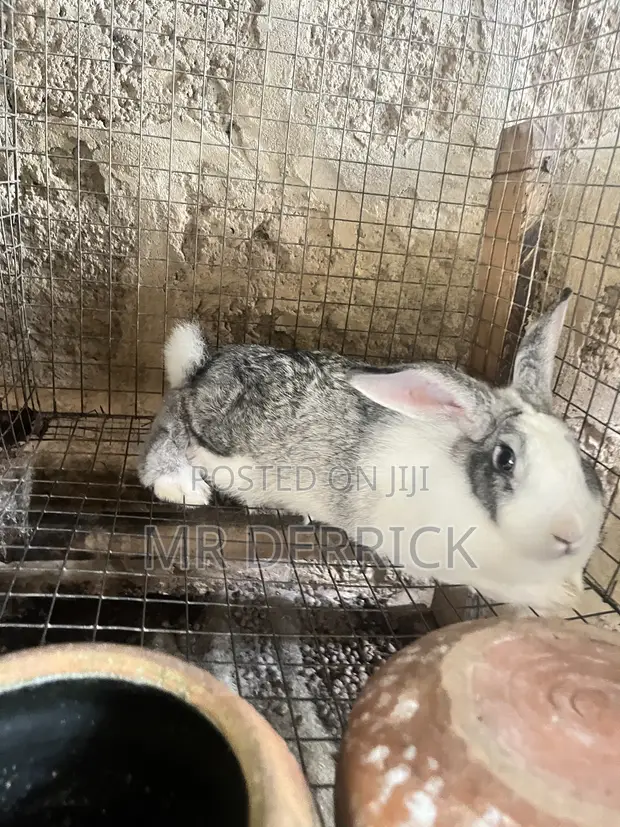
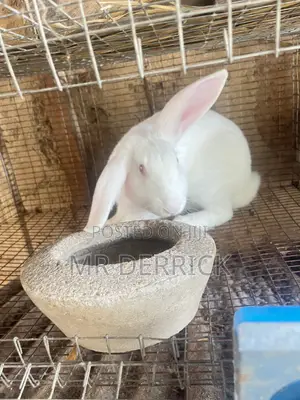
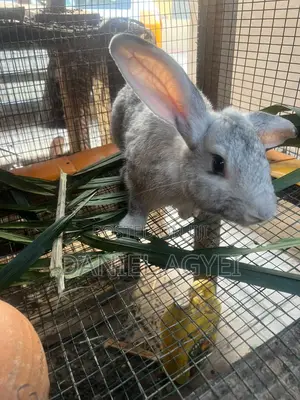
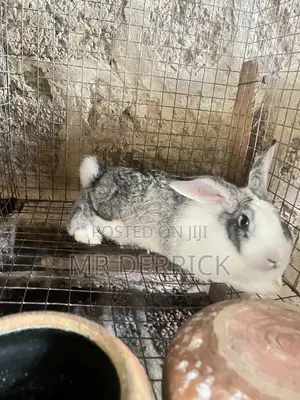
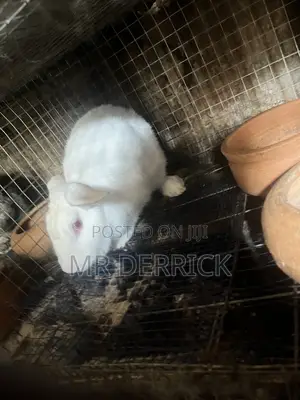
• Pregnant female animal, ready for a new home. • Health status and age to be confirmed by buyer upon inspection. • Temperament is generally calm and docile. • Requires a secure and comfortable living space. • Diet consists of standard animal feed, feeding frequency to be determined by new owner. • Rehoming due to unforeseen circumstances. • Price is negotiable for a good home.