

Female Rabbits for Crossing

Female Rabbits for Crossing - 1
1 / 3

Female Rabbits for Crossing Highlights

  • Temperament & Socialization: Female rabbits, often called does, can be affectionate and social when properly socialized. They may exhibit territorial behaviors, especially if not spayed. Early handling can foster a gentle nature.
  • Dietary Needs: A rabbit's diet should primarily consist of fresh hay, supplemented with a small amount of high-quality rabbit pellets and fresh vegetables. Clean water should always be available.
  • Lifespan & Size: The average lifespan for a domestic rabbit is 8-12 years, though some can live longer. Size varies greatly by breed, from dwarf varieties weighing just a couple of pounds to larger breeds exceeding 10 pounds.
  • Health Considerations: Rabbits are prone to certain health issues, including dental problems, gastrointestinal stasis, and respiratory infections. Regular veterinary check-ups with a rabbit-savvy vet are recommended.
  • Suitability for Families: Rabbits can be wonderful pets for families, but require gentle handling and supervision, especially with young children. They are not typically a 'cuddle' pet and may be stressed by rough play.
  • Spaying Benefits: Spaying female rabbits is highly recommended. It significantly reduces the risk of uterine cancer, prevents unwanted litters, and can help reduce territorial behaviors like spraying.

Description

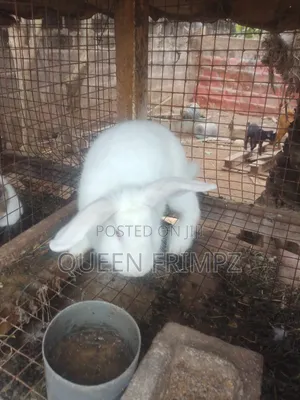
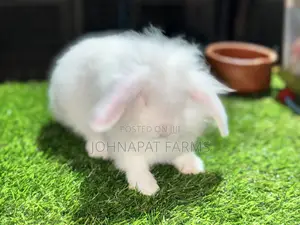
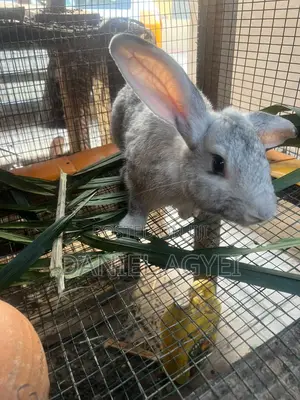
• Adult female rabbits available for breeding. • Ready for mating season. • Suitable for experienced breeders. • General health is good, no specific medical issues disclosed. • Diet consists of hay, pellets, and fresh vegetables. • Requires adequate housing with space for movement. • Consider their natural instincts and social needs when housing. • Price is per rabbit.