Palm Nut (Abe Olonka)

Palm Nut (Abe Olonka) - 1

Details

Type
Other

Palm Nut (Abe Olonka) Highlights

  • Nutrient-Rich Kernel: Palm nuts contain a rich kernel that is a good source of oil, protein, and carbohydrates. This kernel is often processed into various food products.
  • Versatile Culinary Uses: The oil extracted from palm nuts is a staple in many cuisines, particularly in West Africa. It's used for cooking, frying, and as an ingredient in sauces and stews.
  • Traditional Processing: Traditionally, palm nuts are processed by boiling, pounding, and then separating the oil from the fibrous pulp. Modern methods also exist for efficient extraction.
  • Tropical Growing Conditions: Palm trees thrive in tropical climates with high humidity and rainfall. They require warm temperatures and well-drained soil to produce fruit.
  • Seasonal Availability: Palm nuts are typically harvested during specific seasons, depending on the region and the maturity of the fruit. This can influence their availability in the market.

Description

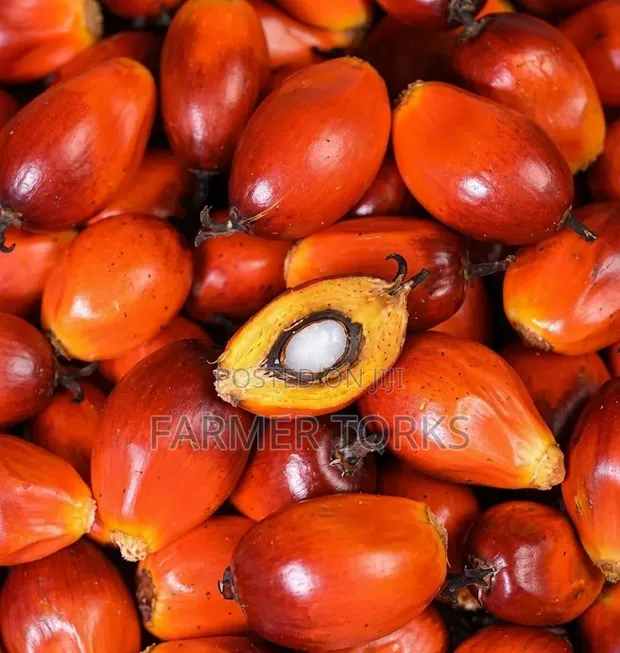
• Freshly harvested palm nuts (Elaeis guineensis), oval-shaped drupes. • Rich in oil content with a deep, earthy flavor. • Harvested in heavy, dense clusters. • A foundational staple in West African and Central African culinary traditions. • Suitable for cooking traditional dishes like palm nut soup (Abenkwan). • Origin: Farmer Torks' farm. • Price: GHS 35 per cluster.